


Media Literacy Education Course for Critical Digital Skills
Original price was: 179.00 $.139.00 $Current price is: 139.00 $.
A modular, searchable Knowledge Base Module (KBM) that teaches media literacy education and practical media literacy skills—designed for students, researchers, and professionals who need fast, reliable access to structured guidance on analyzing, producing, and evaluating digital media.
Key benefits & value for the buyer
This Media Literacy Education KBM is not a textbook or a static PDF. It is a layered, searchable database designed to convert pedagogical and research knowledge into instantly usable modules:
- Time savings: Search and retrieve precise explanations, examples, and lesson plans in seconds instead of sifting through books or scattered web articles.
- Consistency: Standardized definitions and rubrics reduce ambiguity across teaching or research teams.
- Actionable learning: Includes ready-made classroom activities, assessment metrics, and annotated case studies for immediate application.
- Longevity & updates: Designed to be updated and extended, so your investment remains relevant as media platforms evolve.
- Interoperability: Exportable formats (CSV, JSON, Markdown) for easy import into LMS, note-taking apps, or research databases.
Use cases & real-life scenarios
For students
Use the KBM as a study companion: quick definitions, sample analyses of news stories, and step-by-step guides for evaluating sources. Example: prepare a seminar presentation on misinformation by pulling curated case studies and an annotated bibliography in minutes.
For researchers
Extract standardized operational definitions and coding rubrics to ensure replicable content analysis. Example: adapt the KBM’s taxonomy to your survey instrument and export the coding scheme directly to your analysis software.
For professionals & trainers
Build short training sessions or workplace modules on critical thinking about media—use the included exercises and evaluation rubrics to measure impact. Example: design a one-hour workshop for a communications team using pre-built slides and discussion prompts.
Who is this product for?
The Media Literacy Education KBM targets:
- Undergraduate and graduate students in education, media studies, and social sciences;
- Researchers conducting content analysis, pedagogy, or digital media studies;
- Trainers, instructional designers, and professionals needing ready-to-use modules for workshops and compliance training;
- Libraries and learning centers that want a structured, searchable reference on media literacy skills.
How to choose the right version
We offer tiered KBM packages to match different needs. Choose by scope and intended use:
- Starter (Compact): Core concepts, 8 lesson outlines, and 10 case studies — best if you need quick classroom resources.
- Professional (Complete): Full taxonomy, 40+ activities, assessment rubrics, and exportable codebook — ideal for instructors and researchers.
- Institutional (Team): Includes multi-user license, editable master files, and onboarding notes for curriculum integration.
Choose the Professional package if you plan to reuse, adapt, or publish materials—its depth reduces repeat work and improves reproducibility.
Quick comparison with typical alternatives
Compare KBM vs. traditional resources:
- Books & textbooks: Deep but static and not easily searchable or exportable. KBM provides the same depth with modular, machine-readable structure.
- Video courses: Good for demonstration but hard to extract structured data or integrate into research tools. KBM supplies the underlying taxonomy and materials for reuse.
- Web articles & lists: Fragmented, inconsistent quality. KBM consolidates vetted, cross-referenced content in one controlled structure.
Best practices & tips to get maximum value
- Start with the taxonomy: align your syllabus or research codebook with the KBM’s hierarchical structure for consistent outcomes.
- Use the export features: import coding rubrics into your analysis software to save setup time and reduce human error.
- Customize examples: replace generic case studies with local or current events to increase learner engagement.
- Combine formats: pair KBM modules with short video or in-class activities to address multiple learning styles.
Common mistakes when buying or using similar products — and how to avoid them
- Buying a static file only: Avoid resources that cannot be searched or exported. Choose KBMs designed for data reuse.
- Ignoring alignment: Don’t adopt modules without mapping them to your learning outcomes or research questions; use the KBM’s mapping guide included.
- Underestimating updates: Media platforms change rapidly. Ensure you pick a product that documents versioning and update paths.
Product specifications
- Format: Downloadable KBM bundle (JSON, CSV, Markdown text, and printable PDF guides)
- Structure: 5 hierarchical levels (Concept → Definition → Example → Activity → Assessment)
- Modules: 12 core modules, 40+ case studies, 25 classroom activities, 10 assessment rubrics
- Language: English core content (Arabic meta-notes available where relevant)
- License: Single-user, Professional, or Institutional team licenses available
- Delivery: Instant download after purchase with clear integration instructions
- Support: Email support for installation and integration for 90 days; update notes provided with major revisions
Frequently asked questions
Can I use the KBM in my classroom and modify activities?
Yes. The Professional and Institutional licenses allow modification for teaching use. Editable source files (Markdown/JSON) are included so you can adapt activities and case studies while preserving attribution rules described in the license.
Is this a replacement for a media literacy education book?
Not exactly. This KBM performs the same reference and curricular functions as a book but adds structured, searchable, and exportable data to integrate with courses, research instruments, and digital tools. Many users pair the KBM with readings or video lectures.
What support and updates are included?
All purchases include 90 days of email support for integration questions and access to update notes. Institutional purchases include priority updates and onboarding guidance.
Does the KBM cover misinformation and practical fact-checking?
Yes. Several modules focus on misinformation, source verification, fact-checking workflows, and practical exercises that train students and professionals to evaluate digital claims effectively.
Ready to adopt a practical, searchable media literacy education resource?
Get instant access to a structured KBM that converts media literacy education into usable tools for teaching, research, and professional training. Choose the package that matches your scope and integrate it with your workflow immediately.
Concerned about price or fit? Contact our support team for a pre-purchase walkthrough or request a sample module to confirm alignment with your needs. Professional returns and license upgrade options are available within 14 days.
Related products
Cell Biology Guide: Structure, Division, and Transport Insights
Comprehensive Botany Book on Plant Taxonomy and Photosynthesis
A structured, searchable botany book designed as a Knowledge Base Module (KBM) — an end-to-end reference on plant taxonomy, organ structure, and the biochemistry of photosynthesis. Built for students, researchers, and professionals who need reliable, hierarchical knowledge they can search, cite, and apply immediately.
Comprehensive Evolutionary Biology Book on Natural Selection
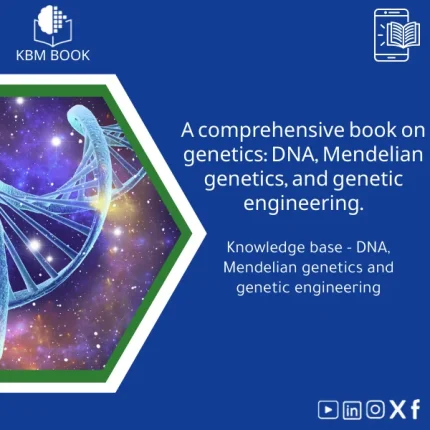
Comprehensive Genetics Book: DNA, Mendelian Genetics & Engineering
A structured, searchable knowledge base module (KBM) that turns genetics theory and practice into an immediately usable digital reference — from DNA structure to Mendelian genetics and contemporary genetic engineering techniques — optimized for students, researchers, and professionals who need reliable answers fast.
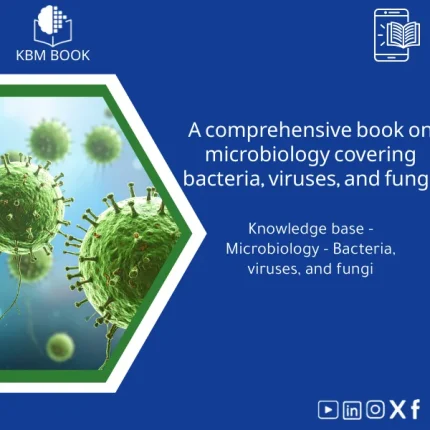
Comprehensive Microbiology Book on Bacteria, Viruses, and Fungi
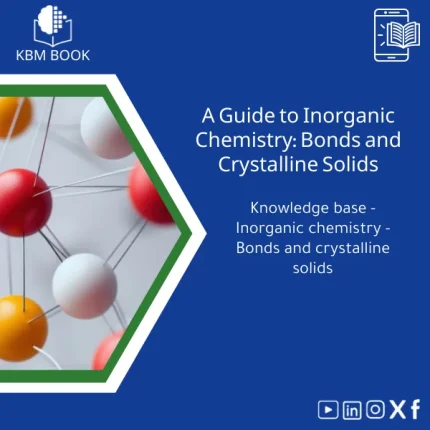
Inorganic Chemistry Guide: Bonding and Crystal Solids
A structured, searchable Knowledge Base Module (KBM) that converts inorganic chemistry fundamentals and advanced topics—bonding models, lattice structures, defects, and solid-state properties—into a practical digital reference for students, researchers, and professionals who need fast, reliable answers without wading through textbooks.
Reviews
Clear filtersThere are no reviews yet.