


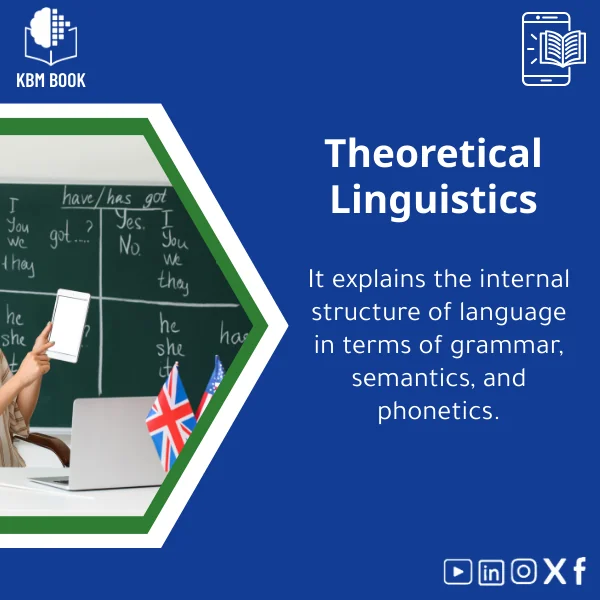
Theoretical Linguistics Guide to Syntax, Semantics, and Phonetics
Original price was: 199.00 $.159.00 $Current price is: 159.00 $.
A structured, searchable Knowledge Base Module (KBM) that converts core theoretical linguistics — syntax, semantics, and phonetics — into a hierarchical, practical database for fast reference, study, and classroom or research use.
Key benefits & value for students, researchers, and professionals
This theoretical linguistics KBM converts large, scattered material into a compact, reliable, and actionable knowledge database. Key advantages:
- Time to insight: Precise definitions and taxonomy let you locate concepts (e.g., constituency, binding, compositionality, phonological features) in seconds.
- Depth without repetition: Interlinked modules prevent redundant explanations; each topic shows its technical background, examples, and typical analyses.
- Practical examples: Annotated sentence analyses for syntax, formal semantic derivations, and spectrogram-guided phonetics notes help you apply theory directly.
- Export-ready: Use content in lecture slides, research memos, or as a linguistics textbook PDF replacement for students who prefer modular, searchable resources.
Whether preparing a literature review, designing an exam, or scripting computational experiments, the KBM structure minimizes friction between concept and application.
Use cases & real-life scenarios
Scenario 1 — Rapid exam revision
A graduate student uses the KBM’s “syntax” tree bank entries to revise constituency tests and practice labeling within a single study session. Time saved: hours of searching across textbooks and papers.
Scenario 2 — Research literature mapping
A researcher assembling a review overviews semantic theories via the KBM’s linked timeline of proposals, with citations and one-paragraph summaries ready to drop into a manuscript draft.
Scenario 3 — Teaching & course design
An instructor creates a 10-week module: each week maps to a KBM submodule (syntax trees, movement, scope, lambda calculus, phonetic transcription). The clarity of the hierarchy makes syllabus construction systematic.
Who is this product for?
Designed for people who need trustworthy, structured access to linguistic knowledge:
- Undergraduate and graduate students studying introduction to linguistics, syntax semantics phonetics courses.
- Researchers needing quick cross-references and compact summaries for literature reviews.
- Translators and language technologists who require precise definitions and examples for annotation tasks.
- Lecturers and curriculum designers building modular courses and assessments.
How to choose the right format
The module is offered as a downloadable Knowledge Base Module and as a PDF export. Choose based on how you will use it:
- Interactive KBM (recommended): Best if you intend to search, filter, and link topics during research or teaching preparation.
- PDF export: Best for offline reading, printing, or distribution in classrooms where a single-file textbook is preferred.
If you need multiple-user licensing for a course or a research group, choose the institutional pack (see purchase options on the product page).
Quick comparison with typical alternatives
Typical textbooks and scattered academic papers offer depth but lack unified navigation. This KBM balances depth and usability:
- Textbooks: In-depth but linear; KBM is modular and cross-referenced for faster lookup.
- Journal articles: Specialized and up-to-date, but fragmented; KBM synthesizes core ideas and points to primary sources.
- Lecture notes: Personal and inconsistent; KBM standardizes terminology and examples to reduce ambiguity.
Best practices & tips to get maximum value
- Start with the “Foundations” section to align terminology across syntax, semantics, and phonetics.
- Use saved searches and bookmarks for recurring exam topics or research queries.
- Export annotated examples into your notes to speed up assignment preparation.
- Cross-check the KBM’s citations when using content in published work; the module points to primary sources for citation accuracy.
Common mistakes when buying/using similar resources — and how to avoid them
- Mistake: Buying a single textbook and expecting it to cover cross-disciplinary needs. Fix: Use this KBM to bridge syntax, semantics, and phonetics in an integrated way.
- Mistake: Relying on unsourced lecture slides. Fix: Choose a KBM with clear references and examples you can validate.
- Mistake: Underestimating format needs (interactive vs. PDF). Fix: Pick the format matching your workflow — interactive for research, PDF for offline study.
Product specifications
- Title: Theoretical Linguistics Guide to Syntax, Semantics, and Phonetics
- Format: Downloadable Knowledge Base Module (interactive) + optional PDF export
- Coverage: Introductory to advanced topics across syntax, semantics, phonetics; worked examples and citation list included
- File types: KBM (.kbm package), PDF (print-ready)
- Language: English (technical terms standardized)
- Delivery: Instant digital download after purchase
- Usage notes: Licensed for individual use; institutional licensing available
Frequently asked questions
Is this KBM suitable as a replacement for a traditional theoretical linguistics book?
Yes and no. The KBM is designed to be a practical, searchable alternative: it covers the same core material and organizes it hierarchically for faster access. If you need a linear narrative for leisure reading, a traditional textbook may be complementary. For study, revision, research referencing, and teaching, the KBM is often faster and more flexible.
Can I cite material from the KBM in academic work?
The KBM includes concise summaries and full citations to primary literature. Use the provided references to cite original sources. For direct quotations or extended use, follow your institution’s citation rules and cite the original works listed in the KBM references.
What if I need updates or additional topics?
KBMBook provides periodic updates. When major revisions are released, purchasers receive update instructions. For custom additions or institutional packs, contact support for options.
How does the pricing compare to buying multiple textbooks?
The KBM is priced for access to a consolidated, searchable database. While a direct dollar-for-dollar comparison depends on the number of textbooks, most users report saving time and cost by avoiding multiple specialized volumes and paying once for a well-organized, multi-topic resource.
Ready to streamline your study and research in theoretical linguistics?
Get immediate access to a professional, hierarchical knowledge base covering syntax, semantics, and phonetics. The module is built for academic rigor and practical use — ideal for exam prep, research synthesis, and curriculum design.
Instant download. Individual and institutional licensing available. Secure checkout on KBMBook.
Related products
Cell Biology Guide: Structure, Division, and Transport Insights
Comprehensive Genetics Book: DNA, Mendelian Genetics & Engineering
A structured, searchable knowledge base module (KBM) that turns genetics theory and practice into an immediately usable digital reference — from DNA structure to Mendelian genetics and contemporary genetic engineering techniques — optimized for students, researchers, and professionals who need reliable answers fast.
General Physics Book: Fundamentals of Force, Motion, Energy
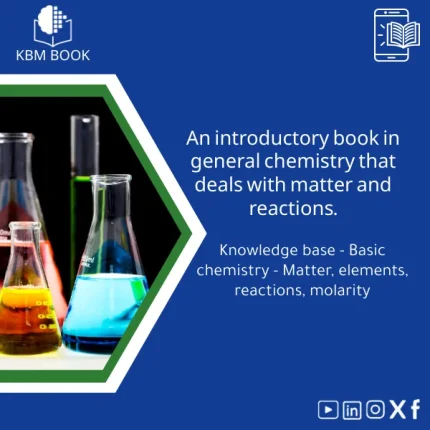
Introductory General Chemistry Book on Matter and Reactions
A structured, searchable Knowledge Base Module (KBM) that converts core general chemistry concepts — matter, elements, reactions, stoichiometry and molarity — into a hierarchical reference you can query, teach from, or integrate into study workflows. Ideal as a concise General Chemistry book alternative for students, researchers, and professionals who need accurate, practical chemistry knowledge fast.
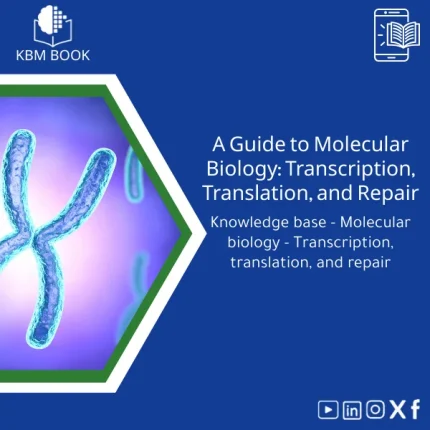
Molecular Biology Guide: Transcription, Translation & Repair
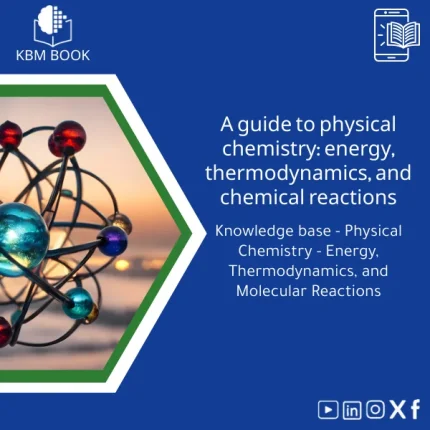
Physical Chemistry Guide: Energy, Thermodynamics & Interactions
A structured Knowledge Base Module (KBM) for Physical Chemistry that converts core theory, worked examples, and applied datasets into a searchable, hierarchical database — ideal for students, researchers, and professionals who need fast, reliable access to chemical thermodynamics basics and molecular interaction models.

Reviews
Clear filtersThere are no reviews yet.