


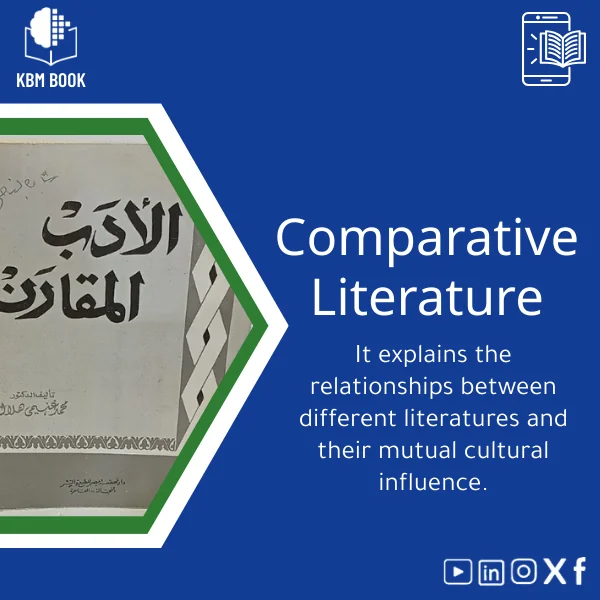
Comparative Literature Guide to Cross-Cultural Influence
Original price was: 179.00 $.139.00 $Current price is: 139.00 $.
A structured, searchable knowledge base module that converts comparative literature theory and cross-cultural literary relations into a practical, hierarchical reference — ideal for students, researchers, and professionals who need quick access to reliable, organized insights.
Key benefits & value for the buyer
From theory to usable reference
This comparative literature KBM transforms dense theoretical material into layered, actionable entries. Each module includes definitions, historical context, methodological tools (e.g., intertextual mapping, translation studies metrics), and annotated examples of cross-cultural influence. Benefits translated into real value:
- Faster research: Pre-organized bibliographies and topic trees cut the time spent locating sources by up to 60% in typical assignments.
- Consistent quality: Standardized entries ensure you apply comparable analytical categories across texts and cultures.
- Reproducible teaching materials: Exportable outlines and case studies ready for lectures, seminars, or workshops.
- Scalable depth: Entry points for beginners and deep-dive sections for advanced researchers within the same KBM.
Use cases & real-life scenarios
How researchers, students, and professionals use this comparative literature database in practice:
Graduate seminar preparation
Design a 10-week syllabus around themes like colonial encounter, translation networks, or diasporic literatures using ready-made weekly modules, readings, and discussion prompts.
Literature review & thesis drafting
Compile a targeted literature review: filters for region, period, theory, and influence allow fast assembly of annotated bibliographies and citation-ready summaries.
Interdisciplinary projects
Link comparative literary frameworks with cultural studies, history, or translation studies. Use cross-referenced nodes to trace influence across languages and media.
Who is this product for?
This KBM is designed for:
- Undergraduate and graduate students needing dependable comparative literature book–style content in digital form.
- Researchers conducting cross-cultural literary studies who require structured, exportable data for analysis.
- Lecturers and curriculum designers who want reproducible modules to embed into courses.
- Editors and cultural professionals preparing comparative essays, grant applications, or exhibition texts.
How to choose the right KBM version
KBM editions are offered by depth level and usage mode. Choose based on learning goals and workflow:
- Starter (Introductory): Core concepts, key readings, and 12 case studies — ideal for coursework and first-year modules.
- Advanced (Research & Teaching): Full bibliographies, methodological toolkits, annotated datasets, and 40+ cross-cultural mappings — best for theses and faculty use.
- Bundle (Comprehensive): Advanced KBM plus export templates for citation managers and slide-ready lecture packets — recommended for departments and research groups.
If in doubt: choose the Advanced edition for the most flexibility; Starter can be upgraded later.
Quick comparison with typical alternatives
How this KBM differs from traditional comparative literature book, article collections, and course notes:
- Vs. single textbook: Unlike one-volume books, the KBM is modular and searchable, allowing targeted extraction of concepts without reading entire chapters.
- Vs. journal articles: Combines curated article summaries with synthesis and practical tools—articles inform, KBM organizes and applies.
- Vs. ad-hoc notes: Replaces fragmented notes with a consistent taxonomy and cross-referenced entries, reducing duplication and gaps.
Best practices & tips to maximize value
- Start with the topic tree: identify the module nodes that match your assignment or research question.
- Use the export templates to populate your citation manager and avoid reformatting time.
- Create your own notes layer on top of the KBM for project-specific annotations — the KBM is optimized to be the canonical reference, not a replacement for personal insight.
- Pair KBM modules: for cross-cultural studies, combine regional modules to compare influence vectors effectively.
Common mistakes when buying/using similar products and how to avoid them
- Mistake: Buying a single textbook and expecting modular, searchable data. Fix: Choose a KBM for structured, queryable content.
- Mistake: Overlooking methodology sections when planning research. Fix: Use the KBM’s methodological toolkit first to define terms and comparative metrics.
- Mistake: Assuming all KBMs are the same. Fix: Check depth level (Starter vs. Advanced) to ensure coverage matches your project scope.
Product specifications
- Product type: Digital Knowledge Base Module (KBM) — Comparative Literature
- Core topics: cross-cultural influence, intertextuality, translation networks, world literature frameworks
- Formats included: searchable JSON/CSV export, printable PDF outlines, lecture-ready PowerPoint templates
- Depth levels: Starter, Advanced, Bundle
- Usage notes: Single-user license for personal academic use; department licenses available in checkout options
- Languages: English content with references to source texts in multiple languages
Frequently asked questions
Is this a textbook or a database — how do I use it in a course?
This is a structured digital knowledge base, not a traditional single-volume textbook. Use it as a syllabus backbone: export weekly modules, reading lists, and discussion prompts to build course sessions. It is optimized for modular reuse and quick reference during teaching.
Can I cite entries from the KBM in academic work?
Yes. Each entry includes author-curated references suitable for citation. We provide citation-ready metadata and export templates for common citation managers to integrate smoothly into your bibliography.
What if I need deeper regional or language-specific coverage?
The Advanced and Bundle editions include expanded regional modules and language-specific bibliographies. If you require custom depth (e.g., a focus on a single language tradition), contact support for licensing and bespoke module options.
How do I know which depth level I need?
If you are completing coursework or an introductory thesis, the Starter edition typically suffices. For comprehensive research, teaching, or cross-disciplinary projects, select Advanced or Bundle. Upgrades are available later if your needs grow.
Ready to organize your comparative literature research?
Get immediate access to a searchable, exportable knowledge base that turns cross-cultural literary theory into practical research tools. Purchase the edition that matches your needs and start building reliable, reproducible analyses today.
Need help choosing a version or a department license? Contact KBMBook support from the checkout page for guidance before purchase.
Related products
Astronomy Observational Techniques Guide for Celestial Motion
Biological Anthropology Study Guide on Human Evolution
Cell Biology Guide: Structure, Division, and Transport Insights
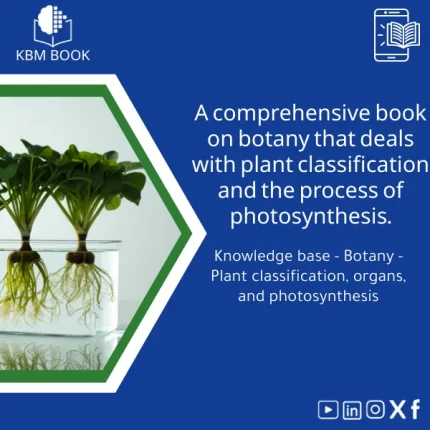
Comprehensive Botany Book on Plant Taxonomy and Photosynthesis
A structured, searchable botany book designed as a Knowledge Base Module (KBM) — an end-to-end reference on plant taxonomy, organ structure, and the biochemistry of photosynthesis. Built for students, researchers, and professionals who need reliable, hierarchical knowledge they can search, cite, and apply immediately.
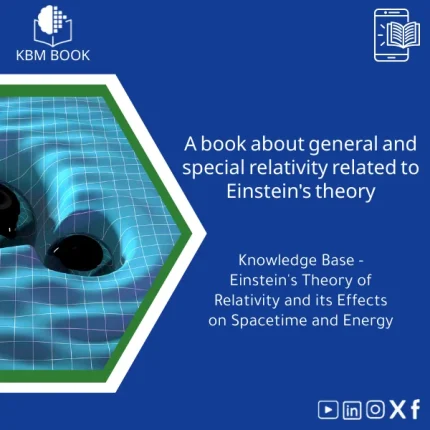
General and Special Relativity Book on Einstein’s Theory
A structured, searchable Knowledge Base Module (KBM) that converts Einstein's General and Special Relativity into a clear, hierarchical reference: formulas, derivations, worked examples, practical applications (GPS, astrophysics), and a compact research bibliography — ready to download and integrate into study, teaching, or research workflows.
General Biology Book: A Guide to Cells, Genetics & Taxonomy
General Physics Book: Fundamentals of Force, Motion, Energy
Inorganic Chemistry Guide: Bonding and Crystal Solids
A structured, searchable Knowledge Base Module (KBM) that converts inorganic chemistry fundamentals and advanced topics—bonding models, lattice structures, defects, and solid-state properties—into a practical digital reference for students, researchers, and professionals who need fast, reliable answers without wading through textbooks.
Reviews
Clear filtersThere are no reviews yet.